Services

Cupping Therapy
Cupping therapy is an alternative medicine practice with several potential benefits, although its effectiveness may vary from person to person. Some potential benefits include:
Pain Relief: Cupping can help alleviate various types of pain, such as muscle tension, back pain, and headaches.
Improved Blood Circulation: The suction created by the cups can stimulate blood flow, which may promote healing and reduce inflammation.
Relaxation and Stress Reduction: Cupping can induce a relaxation response, making it helpful for reducing stress and anxiety.
Detoxification: Cupping can help the body detoxify by drawing toxins to the surface of the skin.
Faster Recovery from Injuries: Athletes sometimes use cupping to aid in injury recovery and muscle soreness reduction.
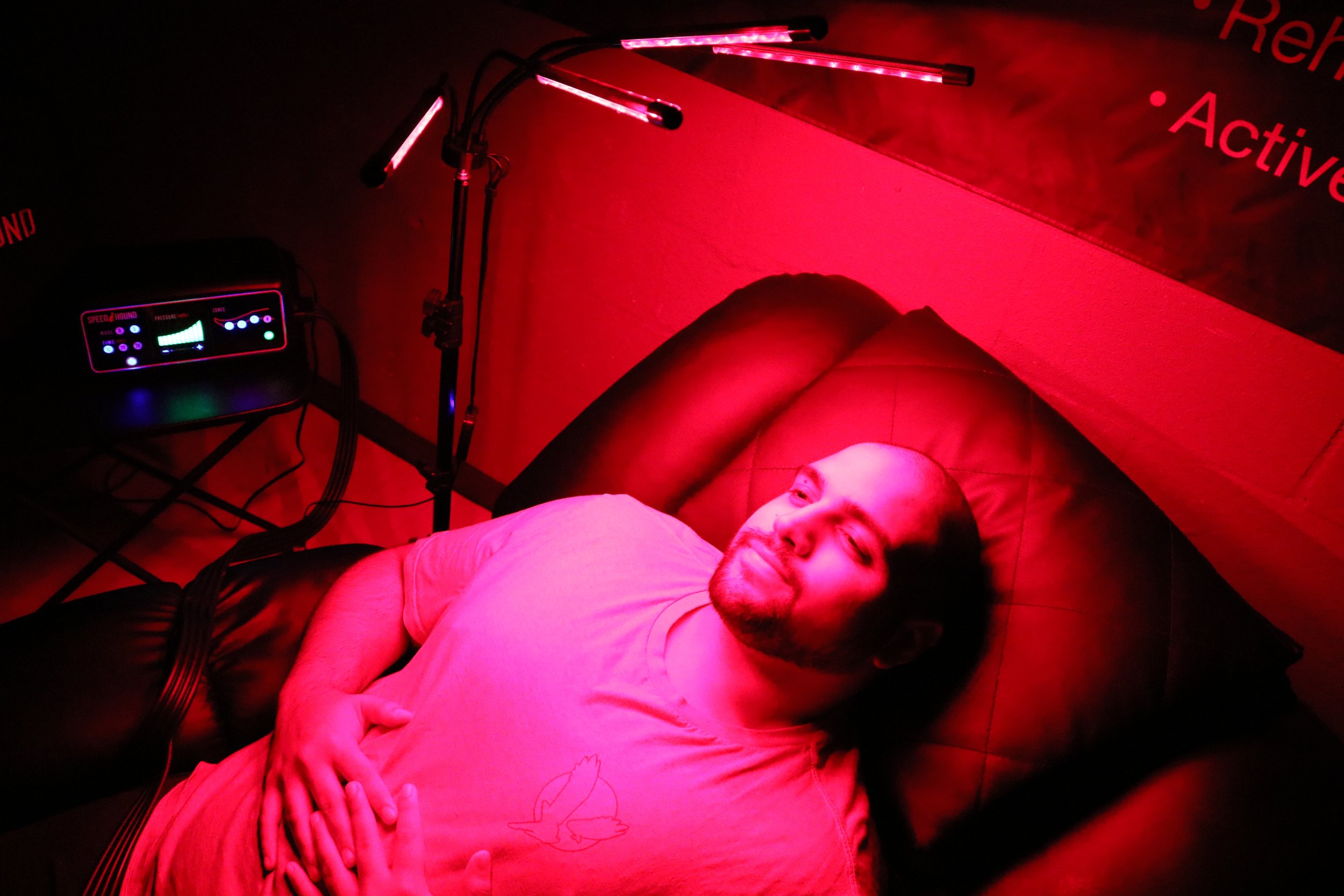
Red Light Therapy
Red light therapy, also known as low-level laser therapy (LLLT) or photobiomodulation, is a non-invasive treatment that uses red or near-infrared light to stimulate various biological processes in the body. Some potential benefits of red light therapy include:
Skin Health: It may improve skin tone and texture, reduce wrinkles, and promote collagen production, making it popular in skincare and anti-aging treatments.
Pain Relief: Red light therapy has been used to alleviate various types of pain, such as joint pain, muscle soreness, and arthritis.
Wound Healing: It can accelerate the healing of wounds, cuts, and surgical incisions by promoting tissue regeneration.
Hair Growth: Red light therapy may stimulate hair follicles and promote hair growth in individuals with certain types of hair loss.
Reduced Inflammation: It has anti-inflammatory effects, potentially helping with conditions like arthritis and skin inflammation.
Mood and Sleep: Some studies suggest it may improve mood and sleep quality by affecting the body's circadian rhythms.
Muscle Recovery: Athletes use it to aid in post-workout recovery and reduce muscle fatigue.
Bone Health: There's ongoing research into its potential to support bone health and accelerate fracture healing.
Pain Management: It's a non-pharmacological option for managing chronic pain conditions.
Improved Circulation: Red light therapy may enhance blood flow, which can benefit overall health.

Therapeutic Massage
Regular therapeutic massage can offer several benefits, including:
Stress Reduction: Massage helps relax the body and mind, reducing stress and promoting relaxation.
Pain Relief: It can alleviate muscle tension, reduce pain, and improve range of motion, making it beneficial for those with chronic pain conditions.
Improved Circulation: Massage can enhance blood circulation, which may aid in the healing of injured tissues and improve overall health.
Muscle Relaxation: It helps release tight muscles, reducing muscle soreness and promoting better flexibility.
Enhanced Mood: Massage can trigger the release of endorphins, promoting a sense of well-being and potentially alleviating symptoms of depression and anxiety.
Better Sleep: Many people find that regular massage can improve sleep patterns and help with insomnia.
Immune System Support: Some studies suggest that massage therapy may boost the immune system, potentially making you less susceptible to illness.
Improved Posture: By addressing muscular imbalances, massage can help improve posture and reduce the risk of associated pain.
Headache Relief: It may help reduce the frequency and severity of tension headaches and migraines.
Enhanced Flexibility: Regular massages can help maintain or increase joint flexibility and range of motion.
Injury Prevention: By addressing muscle tightness and imbalances, massage may reduce the risk of sports and exercise-related injuries.
Relaxation and Mindfulness: Massage can provide a quiet, peaceful space for relaxation and mindfulness, promoting mental well-being.
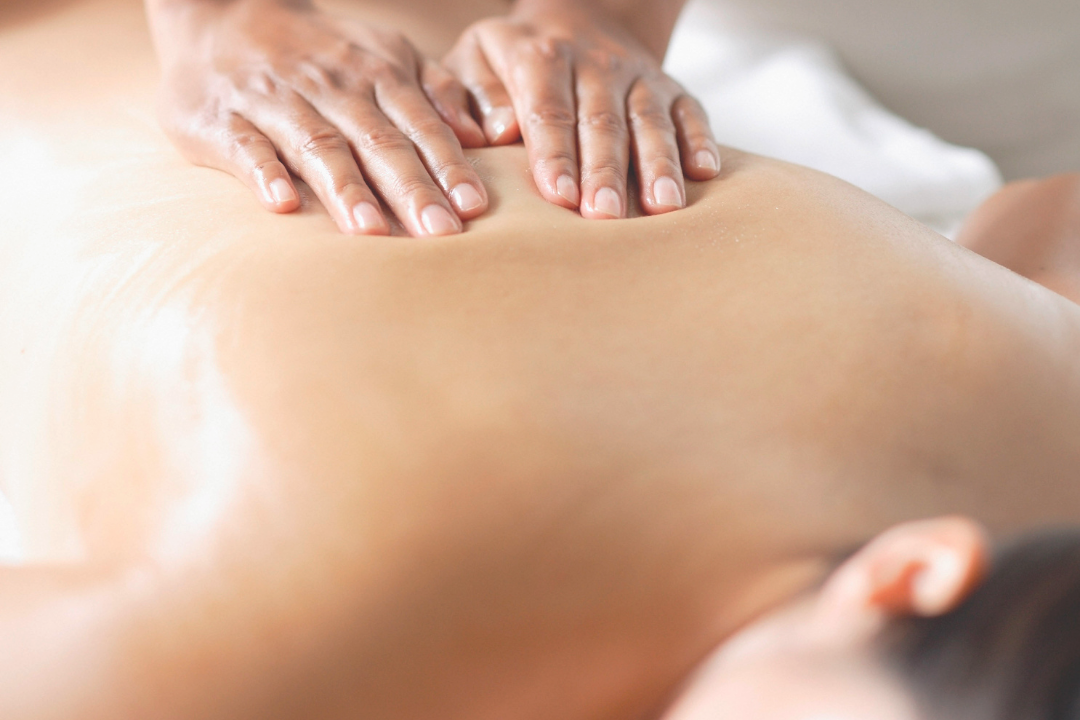
Myofascial Release
Myofascial release is described as a gentle, hands-on technique used to ease pain and disability by releasing tension in the fascia, the connective tissue surrounding muscles. This approach focuses on the body’s fascia system to promote healing, improve movement, and restore balance.
Key Benefits of Myofascial Release:
Pain Relief: Reduces chronic pain by releasing tight fascia and decreasing muscle tension.
Improved Mobility: Enhances range of motion in joints and reduces stiffness, resulting in improved overall mobility.
Stress Reduction: Promotes relaxation and decreases stress associated with chronic pain and tension.
Enhanced Circulation: Improves blood flow to muscles and tissues, aiding in the healing process.
Support for Rehabilitation: Can complement other therapeutic modalities in recovery from injuries, surgery, or physical conditions.

Compression Therapy
Compression therapy, such as Speed Hound Compression, can offer several benefits, particularly for individuals who need improved circulation or recovery support. Some of the benefits include:
Enhanced Blood Circulation: Compression garments apply pressure to the limbs, which can help improve blood flow. This can be beneficial for those with circulation issues, such as varicose veins or deep vein thrombosis.
Reduced Swelling: Compression therapy can help reduce swelling by preventing the buildup of fluid in the affected area. This is especially useful for managing edema or post-surgery swelling.
Improved Muscle Recovery: Athletes and active individuals often use compression garments to help reduce muscle soreness and speed up recovery after intense workouts or competitions.
Prevention of Blood Clots: Compression therapy can reduce the risk of blood clots, particularly in individuals who are immobile for extended periods, like during long flights.
Pain Relief: Compression garments may provide relief from pain and discomfort associated with certain conditions, such as chronic venous insufficiency or lymphedema.
Support for Active Lifestyles: Athletes and people with physically demanding jobs can benefit from compression gear as it helps stabilize muscles and joints, reducing the risk of injuries.
Post-Surgical Support: After certain surgeries, compression therapy can aid in the healing process and reduce the risk of complications like infection or blood clots.
Enhanced Performance: Athletes often use compression wear to improve their performance by increasing oxygen delivery to muscles and reducing muscle vibration during physical activities.

Active Recovery Sessions
Active recovery sessions, which involve low-intensity exercise and stretching, offer several benefits:
Enhanced Circulation: Gentle movement helps increase blood flow, which can aid in the delivery of nutrients and removal of waste products from muscles, potentially reducing soreness.
Reduced Muscle Stiffness: Active recovery can help prevent muscles from becoming overly stiff after intense workouts, making it easier to resume training.
Improved Range of Motion: Stretching and mobility exercises in active recovery can enhance joint flexibility and maintain or improve your range of motion.
Mental Relaxation: Active recovery can be mentally relaxing, reducing stress and anxiety associated with rigorous training.
Faster Recovery: Engaging in light exercise can promote the clearance of metabolic waste products (like lactic acid) and reduce inflammation, potentially speeding up the recovery process.
Injury Prevention: Regular active recovery may help prevent injuries by maintaining muscle balance, correcting imbalances, and addressing tightness or weaknesses.
Psychological Benefits: It provides a sense of accomplishment and commitment to your fitness routine, which can boost motivation and adherence.
Active Mindset: Staying active on rest days reinforces the habit of regular physical activity, which is essential for long-term fitness goals.
Improved Sleep: Gentle exercise can help regulate your circadian rhythm, leading to better sleep quality, which is crucial for recovery.
Better Overall Well-Being: Active recovery can contribute to an overall sense of well-being by promoting relaxation and reducing the risk of burnout.
Remember that the intensity and type of active recovery should align with your fitness level and the demands of your training program. Always consult with a fitness professional for personalized advice.